
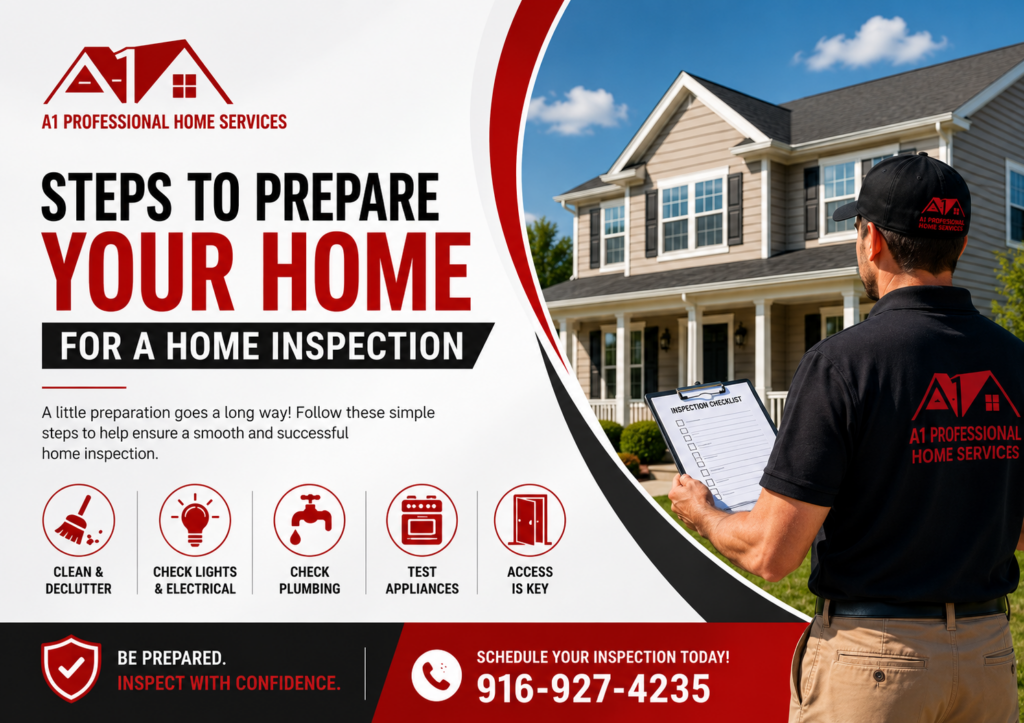
Steps to Prepare Your Home for a Home Inspection
Preparing for a home inspection is a major step in the home-selling process. A clean, well-maintained home not only creates a positive impression but can also help avoid unexpected repair requests that delay closing or reduce the value of your home.
When you want to sell your property, you might pay attention to improving its appearance before listing it. However, home inspectors evaluate much more than appearance. They examine the home’s major systems and safety features, including the fireplace and chimney, which many homeowners often overlook.
This blog helps you understand how to prepare your home for a home inspection, as a real estate agent, what inspectors generally look for, common issues that can hamper a sale, and why scheduling a professional chimney inspection in Sacramento before listing your home can make all the difference in the sale.
| Get a Professional Chimney Inspection in Sacramento – Call (916)-927-4235 NOW |
Quick Home Inspection Preparation Checklist
Before inspection day, carefully go through this list:
✅ Replacement of burnt-out light bulbs
✅ Testing smoke and carbon monoxide detectors
✅ HVAC air filter replacement
✅ Unlock attic access, electrical panels, garages, and crawl spaces
✅ Repair of leaking faucets or running toilets
✅ Checking the windows and doors for smooth operation
✅ Clean gutters and roof debris if possible
✅ Trim landscaping away from the home
✅ Collection of maintenance and repair records
Most importantly, do not forget to schedule a professional fireplace and chimney inspection if your house features a wood-burning or gas fireplace.
Why Is a Home Inspection So Important?
A home inspection assists the buyers in understanding the overall condition of a property before completing the purchase. The inspectors identify maintenance issues, safety concerns, and components that might require repair or replacement. The inspection report also plays an important role in buyer confidence, insurance requirements, repair negotiations, closing timelines, and even financing approvals.
What Do Home Inspectors Look For?
While every inspection may vary slightly, most licensed home inspectors follow nationally recognized Standards of Practice established by organizations such as InterNACHI and ASHI.
These standards require inspectors to evaluate the visible condition of major structural components, roofing, electrical systems, plumbing, HVAC equipment, and other accessible areas of the home.
Roof
Inspectors look for:
- Missing or damaged shingles
- Standing water
- Signs of aging
- Roof leaks
- Flashing problems
Foundation and Structure
The inspector checks for:
- Large foundation cracks
- Water intrusion
- Damaged framing
- Structural movement
- Uneven floors
Electrical System
They check for:
- Carbon monoxide detectors
- GFCI outlets
- Electrical panels
- Exposed wiring
- Light fixtures
- Smoke detectors
Plumbing
This includes:
- Pipe corrosion
- Active leaks
- Water pressure
- Drainage
- Water heater condition
Heating and Cooling Systems
Inspectors check for:
- Visible ductwork
- HVAC operation
- Furnace condition
- Air conditioning performance
- Air filters
Windows and Doors
Inspectors check for:
- Weatherstripping remains intact
- Windows open and close properly
- Doors latch correctly
- Safety glazing is present where required.
Attic and Crawl Spaces
Inspectors look for:
- Ventilation
- Insulation issues
- Water damage
- Roof leaks
- Mold
- Pest activity
Fireplace and Chimney
Inspectors check for:
- Firebox deterioration
- Damaged flue liners
- Cracked masonry
- Damaged chimney caps
- Creosote buildup
- Proper draft and ventilation
As most of the chimney defects are hidden from view, home inspectors generally recommend a separate Level 2 chimney inspection by a qualified professional whenever concerns are identified.
10 Steps to Prepare Your Home Before the Inspection
It is recommended to take a proactive approach in order to make the inspection day easier for all parties involved:
1. Finish Small Repairs
Fix obvious issues before the inspector arrives:
- Loose cabinet hardware
- Dripping faucets
- Broken outlet covers
- Missing door stops
- Loose handrails
- Running toilets
2. Improve Accessibility
Be sure to unlock or clear access to electrical panels, water heaters, the utility room, furnace, attic, crawl space, and garage area.
3. Test Safety Devices
Take a few minutes to check that your smoke and carbon monoxide detectors are working properly. If needed, replace the batteries and ensure your fire extinguishers are easy to find.
4. Replace HVAC Filters
A clean HVAC filter improves airflow and routine maintenance. It also helps inspectors evaluate your heating and cooling systems properly.
5. Gather Maintenance Records
Providing documentation is one of the easiest ways to build buyer confidence, such as the following:
- Roof repairs
- HVAC servicing
- Plumbing work
- Electrical upgrades
- Appliance warranties
- Chimney cleaning
- Fireplace inspections
- Chimney repairs
6. Clean Your Home
Cleanliness creates a positive impression. So be sure to pay extra attention to utility rooms, furnace areas, water heaters, fireplaces, kitchens, and bathrooms.
7. Check Exterior Drainage
Take a look around your property and inspect the gutters, splash blocks, landscaping slopes, and downspouts.
8. Inspect Your Roof and Gutters
Your roof is one of the first exterior components buyers and inspectors notice; hence, be sure to do the following:
- Look for loose or missing shingles.
- Trim tree branches touching the roof.
- Look for damaged flashing around vents and chimneys.
9. Ensure All Utilities Are On
Inspectors need working utilities to evaluate the major systems of your home; hence, be sure to confirm:
- Electricity is on.
- Heating and cooling systems are operational.
- Water service is active.
- Gas service is connected (if applicable).
10. Don’t Forget the Fireplace and Chimney
If your home has a fireplace, schedule a professional chimney inspection before listing it. Identifying chimney issues early can help prevent repair negotiations and keep your sale on track.
Why Home Inspectors Pay Close Attention to Chimneys
A chimney functions to vent smoke, heat, and combustion gases outside your home. Even if the fireplace looks clean, there could be some hidden issues that might exist within the flue or masonry. For example:
- Cracked brick or mortar joints
- Damaged chimney caps or crowns
- Rusted fireplace components
- Signs of moisture intrusion
- Excessive creosote buildup
- Firebox deterioration
- Poor drafting
If any potential concerns are noticed, you need to get in touch with a qualified chimney professional to perform a Level 2 chimney inspection.
Did you know that, according to NFPA 211, chimneys, fireplaces, and vents should be inspected at least once every year?
This keeps them structurally sound, free of combustible deposits, and safe to operate. Even if a fireplace is used only occasionally, annual inspections can help identify hidden damage before it becomes a safety hazard.
When Should You Schedule a Professional Chimney Inspection?
Consider scheduling a chimney inspection before listing your home if:
- You regularly burn wood.
- The fireplace hasn’t been inspected within the past year.
- You’ve noticed smoke entering the room.
- You smell strong fireplace odors during warm weather.
- You’re unsure when the chimney was last cleaned.
- Water has entered the fireplace after the rain.
- You’re preparing to sell an older Sacramento home.
Common Home Inspection Red Flags That Can Delay Closing
Most inspection reports include a few maintenance items, but some issues are more likely to trigger repair requests or renegotiations.
| Home System | Common Red Flags |
| Roofing |
|
| Plumbing |
|
| Electrical |
|
| HVAC |
|
| Fireplace & Chimney |
|
Identifying and addressing these problems before listing your home can reduce any last-minute surprises and help buyers to proceed with the purchase.
Inspection Day Tips for Sellers
Basic preparation on inspection day can make the process smoother for all parties involved:
- Leave all utilities turned on.
- Remove vehicles blocking access to garages or crawl-space entrances.
- Leave the property during the inspection whenever possible so the buyer and inspector can complete their work without interruptions.
- Replace burned-out light bulbs.
- Secure pets in a safe location.
- Leave keys or garage remotes if required.
- Unlock gates, garages, sheds, and utility rooms.
Frequently Asked Questions
1. Is a separate chimney inspection recommended? What do the experts say?
Most home inspectors do not utilize special cameras or equipment to inspect the inside of the flue at the time of home inspection. However, when they notice signs of damage or potential safety concerns, they typically recommend that a qualified chimney professional perform a more detailed inspection. This helps buyers, sellers, and real estate agents make informed decisions and move forward with the transaction more confidently.
2. What’s the difference between a chimney cleaning and a chimney inspection?
- A chimney cleaning removes soot, ash, and creosote that can accumulate during normal fireplace use.
- A chimney inspection evaluates the condition of the entire system, including the flue liner, firebox, smoke chamber, chimney crown, masonry, and venting components.
Both services are important, but they serve different purposes. If an inspection identifies damage or excessive buildup, your chimney professional may recommend cleaning, repairs, or both before you list your home for sale.
3. How often should a chimney be cleaned and inspected?
You should have your chimney checked at least once a year if you use the fireplace regularly. Safety experts recommend this annual checkup because hidden damage or dangerous gunk can build up over the winter without you realizing it. If the inspector spots a lot of buildup during the check, they will recommend a cleaning right then to prevent fires.
4. How Long Does a Home Inspection Usually Take?
For most average-sized houses, a home inspection takes about 2 to 4 hours. It might take a bit longer if the house is older, very large, or has extra features like a detached garage or multiple fireplaces.
Tip: You can help the inspector finish faster by moving boxes and unlocking doors ahead of time so they can easily reach the attic, water heater, and electrical panel.
| Get a Professional Home and Fireplace Inspection in Sacramento – Call (916)-927-4235 |
Final Thoughts
Preparing your home for a successful inspection is a lot more than making it look clean. It is also about demonstrating that the property has been well maintained.
Small repairs, well-organized maintenance records, smooth access to major systems, and addressing potential concerns before the buyers discover them can help minimize inspection-related delays. Such attention to detail helps ensure better confidence throughout the process of the transaction and a resulting good deal.
Whether you are a homeowner preparing to sell or a real estate agent walking the clients through the process of listing, taking a proactive approach today can help make inspection and closing much smoother tomorrow.
Prepare Your Home for a Detailed Home Inspection With A-1 Professional Home Services
When it’s about your home, you shouldn’t compromise. So, if you are looking for a full home inspection or a fireplace inspection in Sacramento, you’re in the right place!
At A-1 Professional Home Services, we’re a fully licensed team # 752737. All our technicians are trained and guided by CSIA & NFPA 211 standards for our industry. We’re a locally owned and operated company with over 25 years of experience.
We also provide a professional chimney inspection in Sacramento. It helps recognize hidden issues, document the condition of the system, and help you resolve concerns before they turn into major problems. After a detailed inspection, we also suggest the right solution, whether it requires only chimney cleaning or chimney repair in Sacramento.
Call us at 916-927-4235 and get in touch with our team and schedule your pre-listing inspection today!